At Bloom Women’s Health, we understand that endometriosis can affect much more than menstrual health. Symptoms may influence work, relationships, physical activity, emotional wellbeing, and reproductive planning. Our Brisbane gynaecologists provide individualised assessment and discuss management options according to each woman’s symptoms, health history, and personal goals.
Endometriosis is a chronic condition in which tissue similar to the lining inside the uterus grows elsewhere in the body. It commonly affects areas within the pelvis, including the ovaries, fallopian tubes, and tissue surrounding the uterus.
This tissue can contribute to inflammation, scarring, and adhesions. Symptoms may include painful periods, chronic pelvic pain, pain during or after sex, bowel or bladder symptoms, and difficulty conceiving.
Endometriosis does not look or feel the same for every woman.
Some women experience severe period pain from adolescence. Others develop symptoms gradually or first learn they may have endometriosis during fertility investigations. Some have significant symptoms despite limited findings on imaging, while others have more extensive disease with relatively mild discomfort.
Symptoms may also overlap with conditions such as adenomyosis, ovarian cysts, irritable bowel syndrome, pelvic floor dysfunction, and other causes of persistent pelvic pain.
This can make it difficult to identify endometriosis from one symptom or investigation alone.
Women looking for endometriosis treatment in Brisbane are often seeking a clearer explanation for symptoms that have persisted despite pain relief, hormonal treatment, lifestyle changes, or previous investigations.
A detailed assessment considers the pattern, timing, and impact of symptoms rather than focusing only on how painful a period is.
Recognising the symptoms of endometriosis is crucial for early diagnosis and effective management. Endometriosis is common however it can take time to diagnose. Some women can have endometriosis and not know it, but for others it can cause symptoms such as pain.
Common symptoms include:
Pelvic Pain:
Chronic pain in the pelvic region, often intensifying during menstruation.
Menstrual Irregularities:
Heavy periods, irregular menstruation, or bleeding between periods.
Painful Intercourse:
Discomfort or pain during or after sexual intercourse.
Infertility:
Difficulty getting pregnant may be a symptom of endometriosis.
Some women experience a combination of pelvic, bowel, bladder, menstrual, and fertility symptoms.
The severity of pain does not necessarily indicate the extent of the condition. Significant pain can occur with limited visible disease, while more extensive endometriosis may sometimes cause few symptoms.
Persistent pain that affects sleep, work, study, exercise, intimacy, or everyday activities warrants medical assessment, even if it has previously been described as normal period pain.
Women with heavy or irregular bleeding may also require assessment for a menstrual disorder or another condition contributing to their symptoms.
Assessment generally begins with a detailed discussion of menstrual patterns, pain, bowel or bladder symptoms, previous treatments, and reproductive goals.
Depending on the individual situation, assessment may involve:
Ultrasound and MRI can help identify some forms of endometriosis, including ovarian endometriomas and certain areas of deep endometriosis. However, a normal scan does not necessarily exclude the condition.
Laparoscopy may be considered where surgical diagnosis or treatment is clinically appropriate, but not every woman with suspected endometriosis requires immediate surgery.
Women who have not seen a gynaecologist before can also read about what to expect at a first gynaecology appointment.
There is no single endometriosis treatment that is suitable for everyone.
Management depends on factors such as:
Treatment may involve one or more approaches.
Various medications, including over-the-counter pain relievers and hormone therapy, can help manage pain associated with endometriosis.
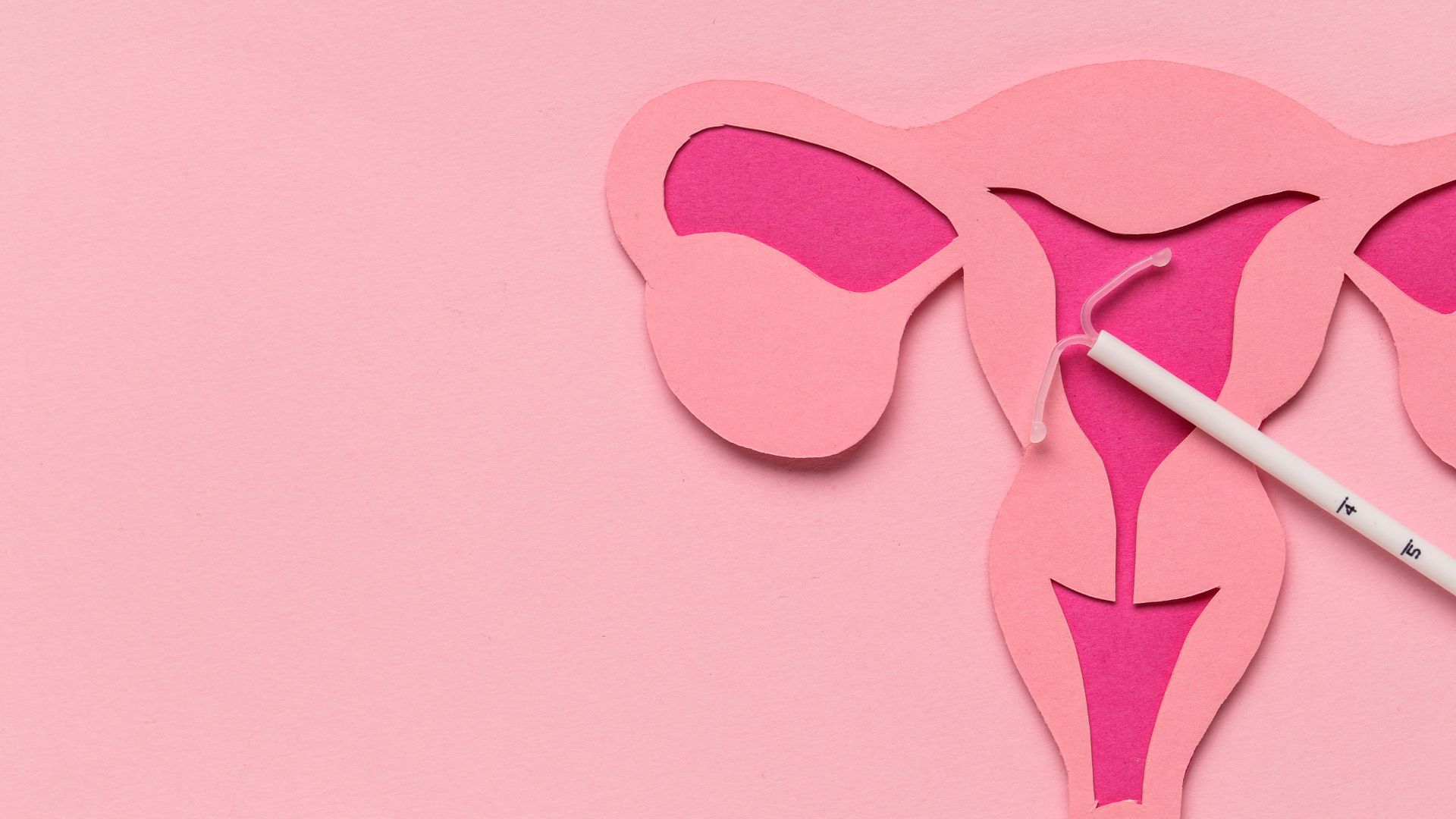
Birth control pills, hormonal IUDs, and other hormone-based treatments can help control or reduce symptoms.
Pelvic health physiotherapy may also be appropriate where pelvic floor muscle tension, pain during intercourse, or persistent pelvic pain is contributing to symptoms.
Bloom Women’s Health provides access to women’s health physiotherapy where coordinated care may be helpful.
Birth control pills, hormonal IUDs, and other hormone-based treatments can help control or reduce symptoms.
In cases where conservative treatments are ineffective, laparoscopic surgery can be performed to remove endometrial tissue and adhesions.
A balanced diet and regular exercise can help manage symptoms and improve overall health.
Endometriosis can affect fertility in some women, although many women with the condition conceive naturally.
Where pregnancy is a priority, assessment may consider:
Treatment planning should balance symptom management with current and future reproductive goals.
Endometriosis is classified into stages based on the location, extent, and depth of the endometrial implants. Stages range from minimal to severe, with each stage requiring different approaches to treatment.
Endometriosis may be described using stages based on the location and extent of visible disease.
However, staging does not reliably predict how much pain a woman will experience or how significantly the condition will affect her daily life.
A woman with early-stage endometriosis may experience severe symptoms, while someone with more extensive disease may experience less pain.
Treatment decisions should therefore consider symptoms, fertility goals, examination and imaging findings, previous
Endometriosis can affect more than the days when bleeding occurs.
Persistent pain, fatigue, bowel or bladder symptoms, sleep disruption, and uncertainty about future fertility can influence emotional wellbeing, relationships, work, and social participation.
Some women begin planning their routines around anticipated pain or avoid activities because symptoms feel unpredictable.
Long-term management may therefore involve more than medication or surgery. Depending on individual needs, coordinated support may include gynaecology care, pelvic physiotherapy, pain management, fertility guidance, and psychological support.
Women who have spent years trying to understand their symptoms may find it helpful to read Why Can Endometriosis Take So Long to Diagnose?.
Yes. Ultrasound can identify some forms of endometriosis, but it may not show superficial disease or every area affected. Symptoms and clinical history remain important even when imaging appears normal.
Not necessarily. The intensity of pain does not consistently correspond with the stage or visible extent of endometriosis.
No. Management may include pain relief, hormonal treatment, pelvic physiotherapy, monitoring, or surgery depending on symptoms and individual goals.
It can affect fertility for some women, although many conceive naturally. The impact varies according to disease location, pelvic anatomy, age, and other reproductive factors.
Yes. Endometriosis and adenomyosis can occur together and may cause overlapping symptoms such as painful periods and chronic pelvic pain.
Symptoms may recur or change over time. Ongoing review can help adjust management as symptoms, life circumstances, or reproductive goals change.
At Bloom Women’s Health, we provide comprehensive care for endometriosis, tailored to each patient’s unique needs. Our team of experienced gynecologists and healthcare professionals is dedicated to helping you manage this condition effectively.
If you’re experiencing symptoms of endometriosis or have been diagnosed with this condition, contact us to schedule a consultation. We’re here to provide the support and expertise you need to navigate this challenging condition and improve your quality of life.


The change of life or menopause is an important milestone...

What should I bring to my first appointment?...