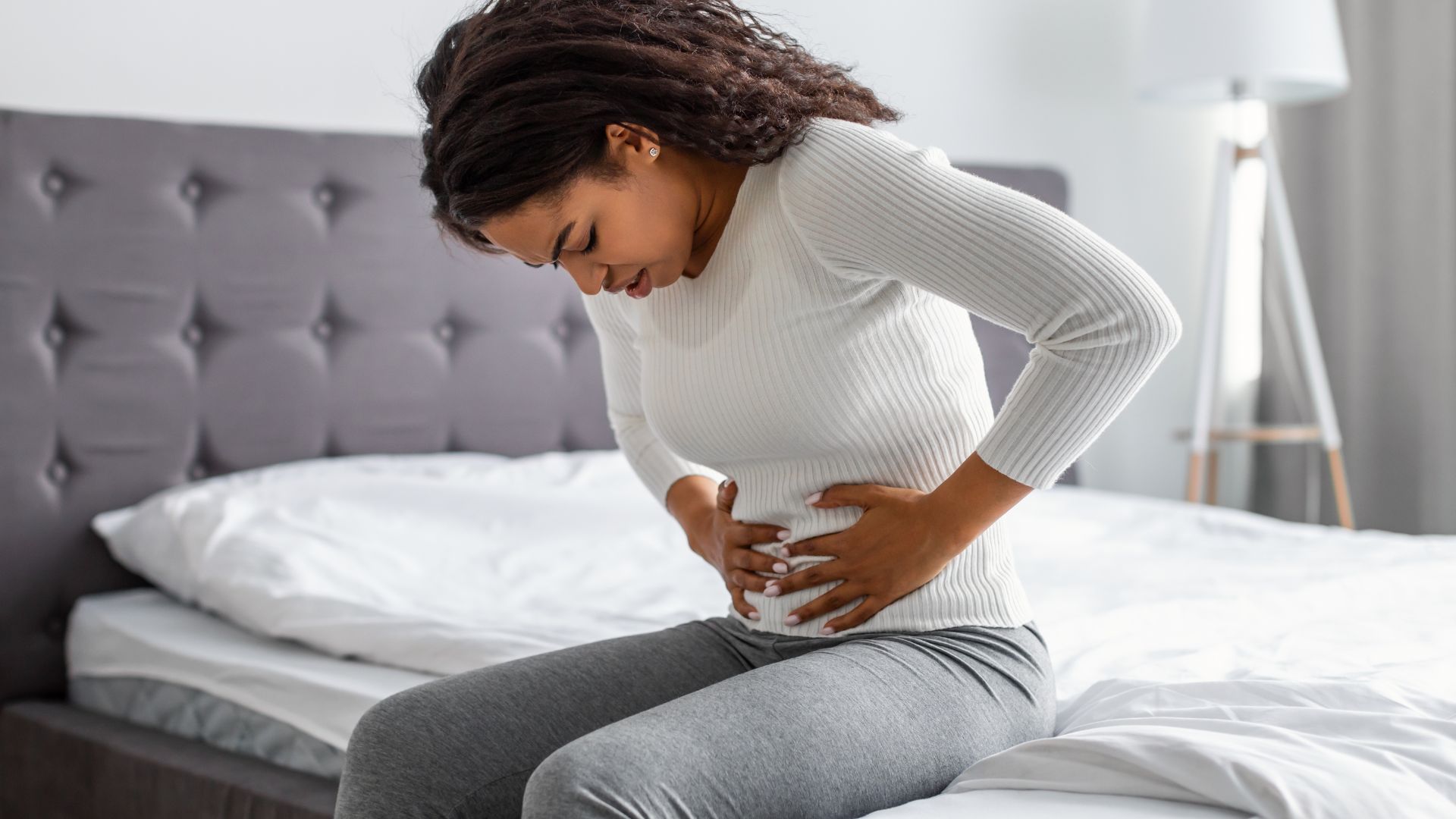
Polycystic Ovarian Syndrome (PCOS) is a common hormonal condition that primarily affects women of reproductive age.
PCOS can have a significant impact on women’s health, including menstrual cycle irregularities, cysts on the ovaries, fertility challenges, and noticeable symptoms such as skin issues (such as acne) and hair changes. Additionally, it can increase the risk of developing gestational diabetes during pregnancy.
Women with PCOS often have enlarged ovaries, which may have many cysts on them, which is where the name PCOS comes from.
PCOS can affect much more than the menstrual cycle. Some women seek support because they are struggling with persistent acne, excess hair growth, scalp hair thinning, weight changes, difficulty falling pregnant, or ongoing fatigue without understanding how these symptoms may be connected.
For others, the condition becomes noticeable after years of unpredictable periods or difficulty managing insulin resistance despite lifestyle changes. Symptoms can also shift over time, which is one reason PCOS can feel confusing and frustrating to live with.
At Bloom Women’s Health, PCOS assessment considers the broader hormonal and metabolic picture rather than focusing on one symptom alone. This may include reviewing menstrual patterns, skin and hair changes, ovulation, fertility goals, insulin resistance, ultrasound findings, and family history.
Women searching for a PCOS specialist in Brisbane are often looking for clearer answers after feeling that symptoms were dismissed or explained individually rather than recognised as part of a wider hormonal condition.
PCOS is more common than you might think. Among women of reproductive age, PCOS affects a substantial percentage, making it a widespread condition. About 10% of women of productive age are affected by Polycystic Ovarian Syndrome. It is one of the leading causes of infertility, yet many people don’t know they have it — many females with PCOS are not diagnosed. Understanding the prevalence of PCOS is crucial for recognising the importance of its management. PCOS can’t be cured, but if you have it, you and your doctor can manage many of the symptoms.
Recognising the early signs and symptoms of PCOS is essential for timely intervention. Common indicators of PCOS include irregular menstrual periods, facial acne, excess hair growing on your face, chest, stomach or back, thinning hair and fertility issues. These symptoms can vary among individuals but are key factors in identifying the condition.
Early detection of PCOS symptoms plays a vital role in preventing potential complications. Identifying and addressing PCOS in its early stages can lead to more effective management and improved overall health. We encourage proactive health management and timely consultations for a more positive outcome.
The cause of PCOS is unknown, but it is influenced by various causes and risk factors. While the exact cause is not always clear, factors like hormonal imbalances, insulin resistance, and genetic predisposition may contribute to the development of PCOS. For example, you are more likely to develop PCOS if you have a close family member with the condition, there were increased hormones while you were in the womb, or due to your lifestyle or environment. Type 2 diabetes is also common in families of those with PCOS.
Hormonal imbalances, particularly involving insulin and androgens, play a crucial role in the development of PCOS. These imbalances can disrupt the normal functioning of the ovaries and the menstrual cycle, leading to the characteristic symptoms of PCOS.
The diagnosis of PCOS is often difficult because there is a wide range of symptoms, and you don’t have to have all of them to be diagnosed with the condition. Diagnosing PCOS involves a comprehensive process that includes a thorough medical history, blood tests, and pelvic ultrasound scans.
You should see your doctor if you are feeling unwell and have any of the symptoms that could be caused by PCOS. Expert evaluation and guidance are vital to ensure a precise diagnosis and establish an effective management plan that suits your individual needs.
It is important to treat PCOS, as you have a higher risk than other females of developing health complication such as:
Diagnosing polycystic ovary syndrome is rarely based on a single test alone. Some women have ultrasound changes without significant symptoms, while others experience clear hormonal symptoms despite scans appearing normal.
Assessment for Brisbane polycystic ovary syndrome may involve:
Because PCOS overlaps with several other gynaecological and hormonal conditions, careful evaluation is important before confirming a diagnosis.
Women who are also experiencing persistent pelvic symptoms may benefit from assessment for conditions such as endometriosis and chronic pelvic pain, as symptoms can occasionally overlap.
Effectively managing PCOS often involves a combination of medical treatments, cosmetic treatments and lifestyle changes. A healthy lifestyle is one of the main ways to manage PCOS. Eating a healthy diet and getting regular exercise can help many of the physical and emotional problems caused by PCOS.
Fertility concerns are common among individuals with PCOS. Understanding the relationship between PCOS and fertility is crucial for those seeking to conceive. Fortunately, various treatment options are available to enhance fertility and increase the chances of a successful pregnancy.
Managing the symptoms of PCOS is an essential aspect of treatment. There are a number of different therapies to help manage PCOS symptoms, such as period problems, infertility, excess hair growth, acne and weight gain.
These therapies include:
Customised management plans aim to improve the quality of life for individuals with PCOS.
Embracing lifestyle modifications can significantly impact the management of PCOS. These changes include dietary adjustments, regular physical activity, and stress management techniques. Adopting a healthy lifestyle can enhance overall well-being and minimise the impact of PCOS.
PCOS is often discussed in relation to fertility, but the condition can also affect long-term health over time. Depending on symptoms and individual risk factors, some women with PCOS may have an increased risk of insulin resistance, type 2 diabetes, elevated cholesterol, sleep apnoea, and cardiovascular disease.
Ongoing follow-up may help monitor these risks and support symptom changes through different stages of life.
Some women notice symptoms becoming more difficult during periods of stress, weight fluctuation, perimenopause, or after pregnancy. Others find symptoms improve with consistent hormonal management and lifestyle adjustments.
Understanding these longer-term patterns can help women make informed decisions about treatment, monitoring, and future reproductive planning.
PCOS treatment depends on the symptoms affecting each individual woman and whether fertility is currently a priority. Some women mainly require support managing irregular periods or hormonal symptoms, while others are seeking fertility guidance or support for insulin resistance and long-term health risks.
Treatment planning may involve:
Treatment decisions are tailored to the individual rather than applying the same approach to every patient with PCOS.
Women planning pregnancy may also benefit from guidance around preconception care and fertility planning, particularly where ovulation or cycle irregularities are affecting conception.
Can you have PCOS even if your periods are regular?
Yes. While irregular periods are common in PCOS, some women still ovulate regularly or have cycles that appear predictable. Diagnosis depends on a combination of symptoms, hormone assessment, and imaging findings rather than menstrual timing alone.
Does PCOS always affect fertility?
Not always. Some women with PCOS conceive without difficulty, while others experience irregular ovulation that can make pregnancy more challenging. Fertility impact varies significantly between individuals.
Is insulin resistance common with PCOS?
Insulin resistance is common in many women with PCOS, although not everyone with the condition experiences it. It can contribute to weight changes, fatigue, increased hunger, and metabolic health risks over time.
Can PCOS symptoms change with age?
Yes. Symptoms can evolve during different life stages, including after pregnancy and during perimenopause. Some symptoms may improve while others become more noticeable over time.
What is the difference between ovarian cysts and PCOS?
PCOS is a hormonal condition involving ovulation and hormone regulation. Ovarian cysts can occur separately and do not automatically mean someone has PCOS. Some women with PCOS may not develop problematic ovarian cysts at all.
Women experiencing separate ovarian cyst concerns may also require assessment for ovarian cyst symptoms and treatment options.
If you are experiencing irregular periods, hormonal symptoms, difficulty conceiving, or concerns about possible PCOS, the team at Bloom Women’s Health provides assessment and ongoing PCOS treatment in Brisbane tailored to individual symptoms and reproductive goals.
Appointments may involve investigation, diagnosis, symptom management, fertility discussions, and long-term monitoring depending on your situation and health priorities.