

Regular exercise is very important for general health and wellbeing for you and your baby during your pregnancy. But, the physical changes experienced during pregnancy need to be taken into consideration when planning an exercise routine.
With the increased weight gain and change in body shape, a pregnant woman’s sense of balance and coordination can be affected. The joints and ligaments become looser due to hormonal changes which can potentially increasing risk of injury. In addition, the heart rate, breathing rate and the core body temperature are increased in pregnancy.
Maintaining healthy exercise in pregnancy, while allowing for the changes that occur, is important. Talk with our physiotherapist for your personalised exercise program that adapts to your changing needs.
Contact your Obstetrician if you experience any of the following symptoms before, during or after exercise:
If you have a complicated pregnancy (e.g. twins, placenta praevia, persistent bleeding) you may be advised not to exercise or to modify your exercise.
Read more about exercise during pregnancy from the Royal Australian and New Zealand College of Obstetrics and Gynaecology.
Read more about exercise after pregnancy from Pregnancy, Birth & Baby.

Most women stop working at around 34 weeks. If you are feeling well, and your pregnancy is progressing normally, you may wish to work a few weeks longer to maximise your maternity leave. We will be happy to write a letter for your employer at this time if it is safe for you to continue working.
Most employers need a letter confirming your due date to apply for maternity leave. We are happy to provide this for you and usually do so early in your second trimester once we are certain all is progressing normally.
We are happy to provide a letter for partners, grandparents and carers who need time off work to assist you to recover from the birth in those all-important first few weeks at home. Please feel free to ask our friendly staff at your appointment if you need a carer’s leave letter.
Read more about work and leave entitlements when pregnant.
Read more about Australian paid parental leave.
Air travel is generally safe during pregnancy, however, there are a number of aspects to consider.
To reduce your risk of DVT the following tips are helpful:
Another aspect to consider is the standard of hospital care in some countries, should you need to be admitted while you are overseas, for a complication of pregnancy including the risk of infection. For more specific information please ask at your appointment or consult your GP or Travel Medicine specialists below.
If you are travelling overseas in pregnancy it is recommended that you see a travel medicine specialist for up to date advice regarding immunisations required in the countries you are visiting. For more information, visit travelmedicine.com.au

If you are thinking about becoming pregnant, this is an ideal time...
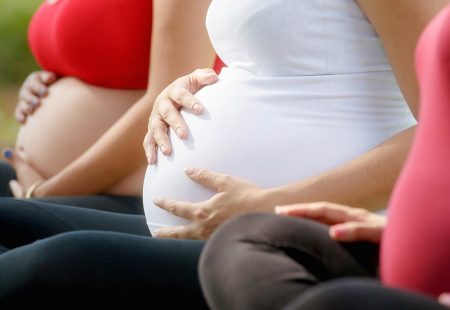
We encourage first time parents to attend antenatal classes...

Most pregnancies progress normally, however, there are several potential...

We support spontaneous labour wherever possible. In some...

Our team of midwives from Mama & Me will be in touch to arrange...

All medicines have been categorised as to their safety in pregnancy...
Suite 6, Level 1/201 Wickham Ter, Spring Hill QLD 4000
Click to request
We provide caring, experienced and holistic Obstetric and Gynaecological services, integrated with allied health to support women to achieve their best health outcomes at all stages of life.

Website Management & Marketing by Practice Boost
