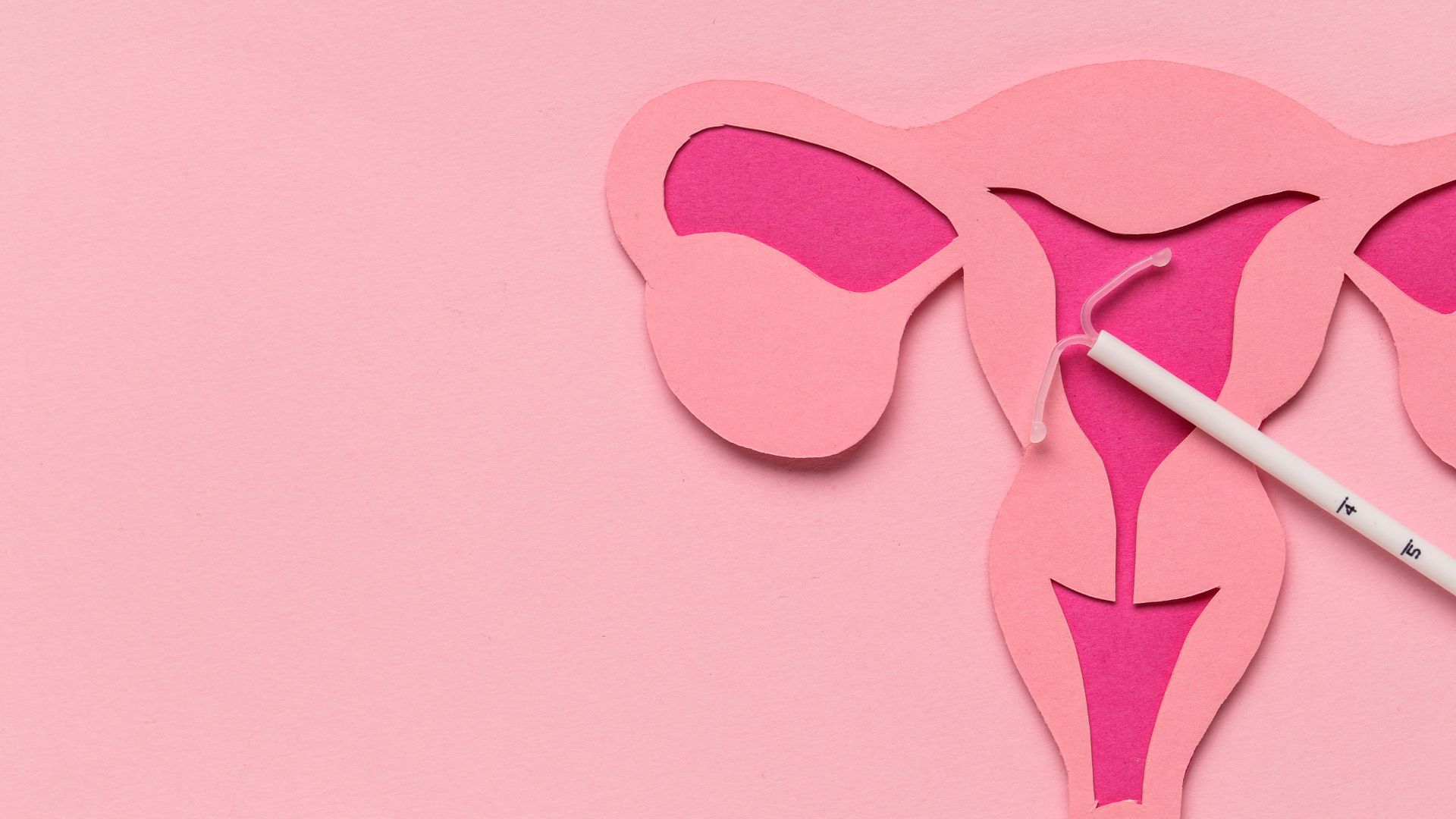
At Bloom Women’s Health, we recognise the profound impact that adenomyosis can have on daily life and overall well-being. Affecting up to 20–35% of women, adenomyosis can cause significant discomfort and disrupt daily activities. Our team is dedicated to providing compassionate, expert care, ensuring that each woman receives a tailored approach to managing this condition effectively.
Adenomyosis occurs when the lining of the uterus (endometrium) grows into the muscle layer of the uterus. This displaced tissue continues to function as it normally would—breaking down and bleeding during the menstrual cycle—but because it is trapped within the muscle, it can lead to various symptoms.
Some common symptoms of adenomyosis include:
Heavy or irregular periods:
Excessive menstrual bleeding, sometimes with large clots.
Severe cramping or sharp pelvic pain :
Pain that may worsen over time.
Chronic pelvic pain :
Ongoing pain that is not necessarily linked to the menstrual cycle.
Pain during intercourse (dyspareunia) :
Discomfort or pain during or after sex.
Fatigue and low energy :
Often due to blood loss and chronic pain.
Fertility issues:
Difficulty getting pregnant may be a symptom of adenomyosis.
Painful bowel movements or urination during menstruation:
A lesser-known but possible symptom
Some women with adenomyosis experience minimal or no symptoms at all, while for others, the condition significantly affects daily life, including work, sleep, and relationships. Adenomyosis typically affects women during their reproductive years and often resolves after menopause. At Bloom Women’s Health, our experienced clinicians take a comprehensive approach to diagnosis and treatment, ensuring that each woman receives personalised care.
Diagnosing adenomyosis can be challenging, as its symptoms overlap with other conditions like fibroids and endometriosis. At Bloom Women’s Health, we utilise a range of diagnostic tools to provide clarity and support:
Many women experience delays in diagnosis due to the complexity of symptoms and overlap with other conditions. Our team is here to guide you through the process, offering expert evaluation and support every step of the way.
At Bloom Women’s Health, your Gynaecologist will discuss the various treatment options with you, based on your specific circumstances. The right approach depends on symptom severity, personal preferences, and reproductive goals.
Since adenomyosis is influenced by estrogen, hormonal therapies can help reduce symptoms:
While some women explore lifestyle modifications or complementary therapies, strong clinical evidence supporting these approaches is limited. However, certain strategies may help improve overall well-being:
If you experience heavy periods, severe pain, or other symptoms that impact your daily life, it’s important to seek medical advice. Early diagnosis and management can help alleviate symptoms and improve overall well-being. At Bloom Women’s Health, our specialists take the time to listen, understand your concerns, and develop a treatment plan that aligns with your goals and lifestyle. We believe in a holistic and patient-centred approach to care. Whether you have been diagnosed with adenomyosis or suspect you may have it, our experienced team is here to support you.


The change of life or menopause is an important milestone...

What should I bring to my first appointment?...